

### Blog Post:
3D tuning is transforming how car enthusiasts and sim racers design, modify, and experiment with virtual cars—but most platforms still leave users wanting much more than flashy visuals. If you’re tired of limited catalogs, “just cosmetic” tuning, or wondering what’s next for serious virtual car customization, this deep dive delivers the real data, pitfalls, and what to demand from your next tuning experience.
Key Takeaways
- The 3D tuning and car tuning simulator market is exploding, but most tools remain surface-level visualizers, not full engineering simulators.
- Users want deeper realism: branded parts, driveable physics, sim-racing integration, and detailed interiors are the most-missed features today.
- Technical, pricing, and licensing gaps mean few platforms fully align with what tech-savvy tuners and sim racers actually crave.
- The State of 3D Tuning & Car Tuning Simulators in 2024
- User Pain Points: Where Current 3D Tuning Games Fall Short
- The Most Wanted Features: What Users Are Still Asking For
- Key Gaps in the Market: What Top Competitors Aren’t Doing Yet
- Cost & Access: How Much Do Premium 3D Tuning Features Really Cost?
- Technical Requirements and Compatibility: Can Your Devices Handle It?
- Partnerships, Licensing, and the Push for Authenticity
- Conclusion: The Future of 3D Car Tuning—Where Next?
- FAQ
The State of 3D Tuning & Car Tuning Simulators in 2024
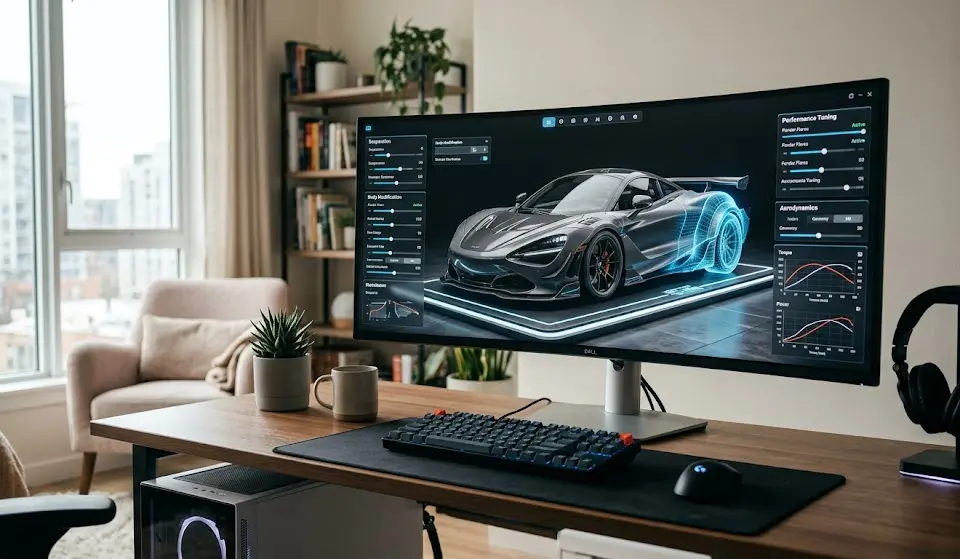
The 3D tuning and car tuning simulator space sits at the crossroads of two booming markets: 3D gaming tech and the real-world car tuning industry. In 2024, the 3D Gaming Technology market hit USD 39.81 billion and is set to quintuple by 2035. Yet, user engagement and growth data for top 3D tuning apps like 3DTuning remains essentially invisible—no developer is publishing active user stats or meaningful transparency.
Still, the trend is clear: as real aftermarket tuning grows (projected USD 17.5B by 2034), demand for smarter, more immersive digital tuning tools also rises. Meanwhile, VR and AR (estimated at nearly USD 200B by 2025) are making advanced 3D configuration mainstream for everything from mechanical keyboards to new cars.
User Pain Points: Where Current 3D Tuning Games Fall Short
If you’ve tried any popular 3D tuning game or car tuning simulator online, you’ll know most fall into the same traps. According to hundreds of app-store reviews for 3DTuning and rivals:
- Just Cosmetic, Not Realistic: Many tools offer no driving or handling simulation at all. Physics are missing—users complain it’s just about swapping bumpers, not testing builds like in real sim racing.
- Limited Parts, Missing Brands: Selection is surprisingly sparse. Only a handful of wheels, body kits, or “generic” aftermarket parts are available per car, with little support for JDM legends or niche models. Branded names are mostly absent.
- Outdated Catalogs: Newest Nissan, BMW, or even kei cars are often missing for months—one of the top complaints in user forums and store reviews.
- Clunky, Frustrating UIs: Navigating between part categories is slow. Loading times lag. Switching cars or parts? Expect delays—especially on mobile or mid-range devices.
- Monetization Annoyances: Ads are aggressive. The best content is paywalled in expensive packs—no clear pricing grid, and constant prompts to pay more for core features.
For users who expect the realism, depth, and workflow of proper sim racing engineering, today’s 3D tuning setups can be genuinely frustrating.
The Most Wanted Features: What Users Are Still Asking For
Across public reviews, Discords, and subreddits, three missing features dominate:
- More Real Brands: Users want virtual car customization that reflects the real options: BBS, Volk Racing, Nismo, TRD, M Performance—not just fictional or generic parts.
- Deeper Customization: Detailed interiors (seats, steering wheels, gauges) and engine bays (turbo vs. supercharger swaps, custom intakes) are some of the most-requested additions—but very few platforms deliver them.
- Current Models: Lack of the very latest performance icons—think newest JDM models, M-series BMW, or quirky regional favorites like kei trucks—drives many users away. People want to mod the cars they see on the road (or the ‘Gram) today, not last decade’s catalog.
If you’re also building your dream setup with best ergonomic gaming chair or hunting for real tuning depth, these missing features can be a deal-breaker.
Key Gaps in the Market: What Top Competitors Aren’t Doing Yet
Despite billions flowing into 3D gaming, nobody has truly cracked “virtual car customization” for both the aesthetic and performance crowds. Here are the three biggest strategy gaps in 2024’s car tuning simulator online landscape:
| Feature | Current Standard | User Expectation/Growth Opportunity |
|---|---|---|
| Sim Racing Integration | Standalone visualizer (e.g., 3DTuning) | Direct data export into Assetto Corsa/iRacing for driveable, physics-tuned cars |
| Real-World Brand Catalog | Mostly generic parts, few real brands | Full aftermarket catalogs—wheels, aero, performance parts—by brand/model/year |
| Engineering-Grade Realism | Focus on looks only | Real-life fitment, performance metrics, CFD-based aero realism |
No major app or website today lets you visually mod a car with real parts and then instantly apply your build’s physics to a modern racing sim. That’s a huge miss—especially with the sim racing and custom tuning communities overlapping more than ever.
If you’re looking to fine-tune your environment for competitive edge, check out our detailed gaming headset with surround sound guide or RGB gaming accessories roundup for more immersive setups.
Cost & Access: How Much Do Premium 3D Tuning Features Really Cost?
Most car tuning simulator online options use “freemium” models. For 3DTuning, you’ll find free access to a small set of cars and parts, with premium packs (unlocking extra vehicles, wheels, or kits) locked behind in-app purchases. These are often buried inside the app—there’s no upfront, transparent monthly/yearly pricing table for 2024 and beyond.
Compare this to racing games like Forza or Gran Turismo—where tuning is included in the main game price, and DLCs only add cars/content, not core functionality. For straight-up configurators (the ones you find on car dealer sites), everything is usually free—automakers pay the bill, but choice and realism lag way behind dedicated tuning apps.
Many users complain about “surprise” paywalls for the best builds, unclear pricing, and the grind to unlock features versus buying a full AAA game upfront. Sometimes, a one-time unlock removes ads or grants permanent access to top cars, but be ready for recurring upsells. This mirrors frustration with accessory upcharges in portable dock solutions and in other game modding tools.
Technical Requirements and Compatibility: Can Your Devices Handle It?
For mobile 3D tuning games like 3DTuning, you’ll need a phone or tablet with at least Android 5.0+ or iOS 11+, and a GPU capable of running modern 3D apps (OpenGL ES 2.0+ or Metal). Low-end devices will feel the pain in longer load times and potential crashes—user complaints back this up in recent reviews. No VR racing support is available for pure 3D tuning yet; that’s mostly reserved for advanced sim-racing titles.
On desktop, browser-based virtual car customization tools require a modern browser (Chrome, Firefox, Edge, Safari) with WebGL and minimum 4–8 GB RAM. Most sites work on midrange laptops, but large scenes and big asset loads can still freeze or lag on old or underpowered machines. “Can I run this?” is the top question—there’s no universal compatibility, so always test with a free demo first.
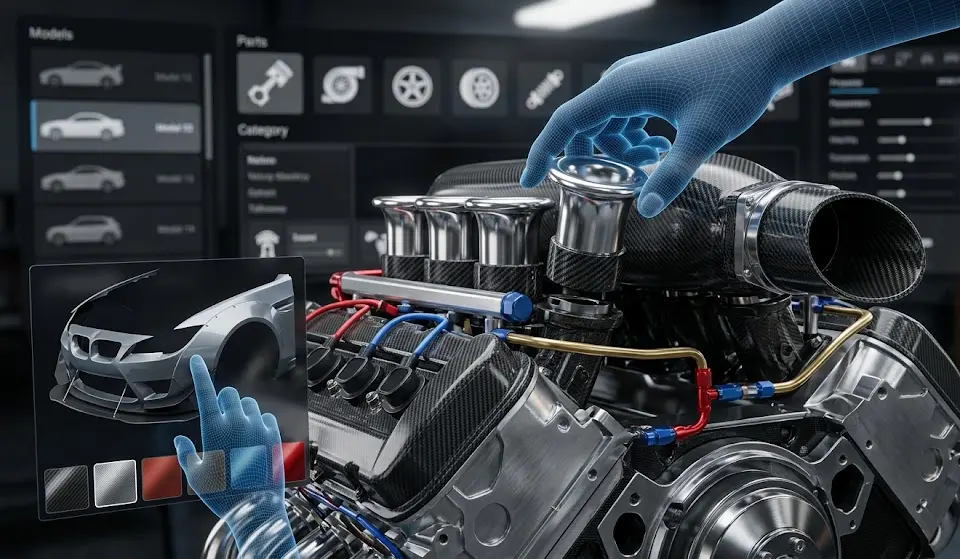
For console or PC-based sim racers, requirements are much higher: quad-core CPUs, 8–16 GB RAM, and a discrete GPU are table stakes. VR racing garages are still rare, but VR racing and cockpit views are becoming standard—mirroring trends in over-ear gaming headphones and handheld PC gaming where hardware capability is now a key limiter.
Partnerships, Licensing, and the Push for Authenticity
Since 2023, the biggest shift in car tuning simulator authenticity comes not from tech upgrades, but from licensing deals. Major automakers like BMW and Toyota now license full 3D models, logos, and even OEM tuning parts to major racing sims—often timed with esports promos and new product launches (see data). This has improved the realism of in-game cars, especially for pro sim racing customization.
Aftermarket wheel, aero, and tire brands have also signed limited partnerships with configurators or AAA games, giving us some real brands on screen—but rarely the full catalog. However, for standalone 3D tuning platforms like 3DTuning, official licensing is much rarer and usually restricted to a few models or “inspired by” designs. For full authenticity—real part names, year-by-year fitment, and OEM support—most apps still fall short of user expectations.
Community-driven events and esports leagues help standardize setups, but haven’t yet driven big feature leaps in the core 3D tuning platforms. Authenticity lags behind the hardware and game ecosystems found in the precision gaming mouse segment, where partnerships and reviews are more transparent.
Conclusion: The Future of 3D Car Tuning—Where Next?
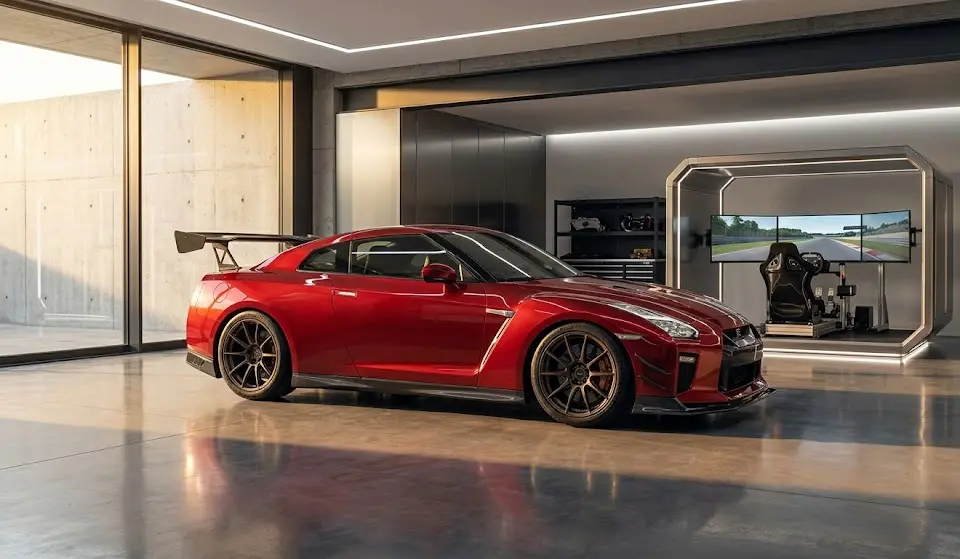
The next generation of virtual car customization will be shaped by big leaps in realism, integration, and usability. As AR/VR and cloud 3D visualize hit USD 198B+ in 2025, the opportunity for seamless app-to-sim racing tuning—and real-time collaboration—becomes real. But today, expect technical and licensing barriers, and missing features if you want true 3D tuning.
If you care about more than a new bumper—if you want full branded catalogs, driver-focused ergonomics, or the depth of a sim engineer—demand more from your car tuning simulator online. Experiment now, join relevant communities, and stay ahead of what’s coming.
If you’re ready to explore or share your ultimate build, keep the 3D tuning conversation rolling: test new platforms, speak up about missing features, and help drive the next wave of innovation.
Ready to create or critique your next virtual build? Dive into the latest 3D tuning tools and help push the market to the next level.
FAQ
What is 3D tuning, and how is it different from regular car customization games?
3D tuning lets you design and modify cars using detailed 3D visualizations—exterior body kits, wheels, paint, and sometimes interiors or engine bays. Unlike driving sims, most 3D tuning games focus on static builds and visuals rather than full driving physics or racing.
Can I export my 3D tuned build into sim racing games like Assetto Corsa?
Currently, no major consumer platform allows direct export of visual builds (including tuned physics data) from a 3D tuning app into racing sims. Most platforms are isolated, so you’ll need to manually recreate the setup in your racing game.
What are the technical requirements for running a 3D tuning platform?
For browser or mobile-based 3D tuning games, you’ll need a modern browser (with WebGL) or Android 5.0+/iOS 11+ devices and up to 8 GB RAM for best performance. Higher-end, PC-based racing sims may need quad-core CPUs and dedicated GPUs.
Why are most aftermarket car parts missing or generic in 3D tuning apps?
Real-world branding and catalogs require licensing deals, which are complex and costly. Most 3D tuning apps settle for generic parts or a limited set of branded content due to these barriers.
How much does it really cost to unlock premium 3D tuning features?
Most apps use a freemium model—free access for basics, premium packs or unlocks (car or part bundles) sold via in-app purchases. Exact prices fluctuate and are usually only visible inside the app; AAA games bundle tuning in the base price, with extra cars as paid DLC.
—