

### Blog Post:
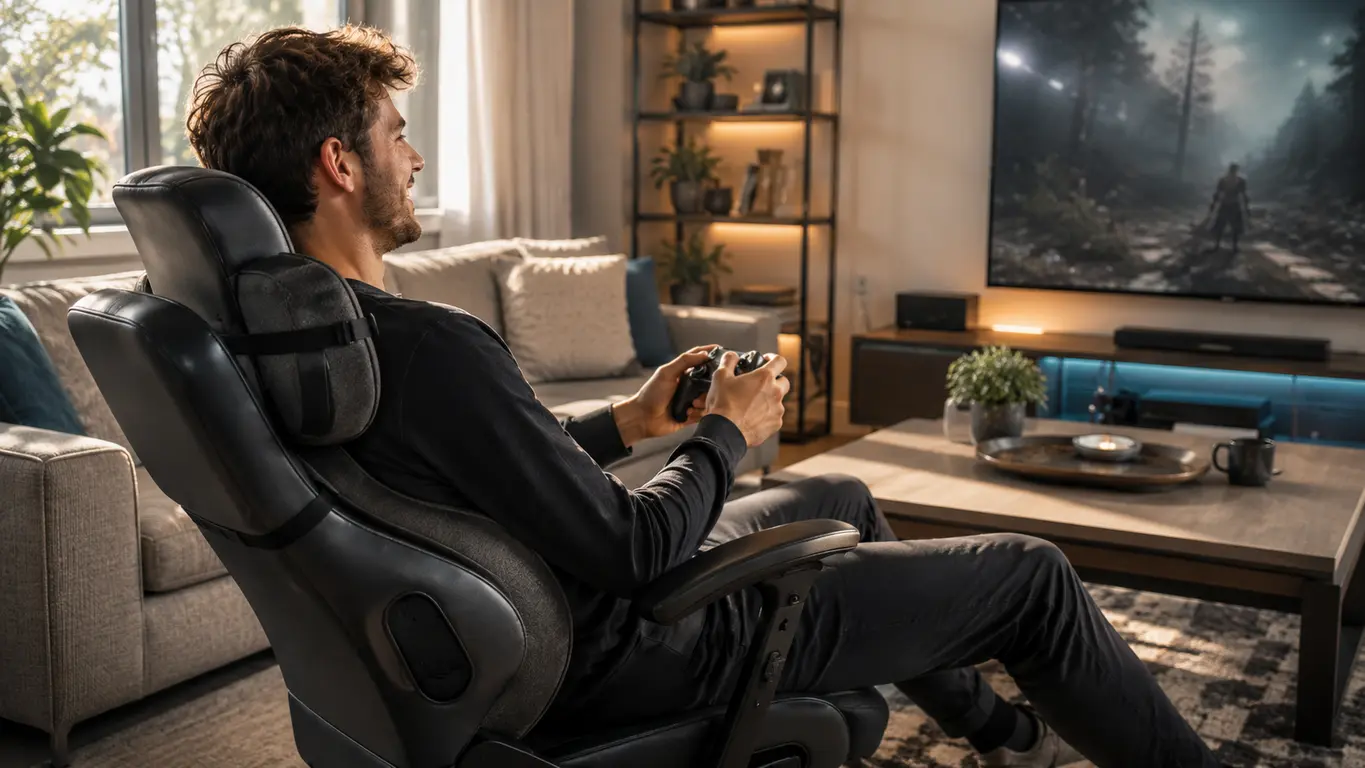
Gaming pillow use has gone mainstream among serious gamers and streamers—but is it actually worth paying extra, or just another marketing fad? This guide cuts through confusing specs and helps you realistically decide if a gaming pillow can fix your comfort problems, how to pick the right one, and what to avoid if you want lasting support for long sessions at your battle station.
Key Takeaways
- Gaming pillows can significantly reduce lower back and neck pain in long sessions, but only if sized and placed correctly for your body and chair.
- Premium models use high-density memory foam gaming pillow (3–5 lb/ft³), breathable covers, and adjustable systems—budget versions often compress fast and worsen heat build-up.
- Don’t treat a pillow as a cure-all—sometimes a chair upgrade or better ergonomic setup gives more permanent relief than any accessory alone.
- Why gaming pillows matter — real problems they solve
- Market snapshot (2024): demand, growth, and where buyers are
- Regional trends — where gamers are buying and why it matters
- What separates premium gaming pillows from budget options (technical checklist)
- How to choose the right pillow for your body and chair (unique sizing guidance competitors miss)
- Durability & long-term performance: what to expect after 6–12 months
- Common complaints — how to avoid these pitfalls when buying
- Pricing guide — what to pay and what features justify higher cost
- Gaming pillow vs office ergonomic supports — which to pick for streaming/desk work
- Quick buying checklist & troubleshooting (short action list)
- Closing: when a pillow is enough — and when to upgrade your chair or setup
- FAQ Section
Why gaming pillows matter — real problems they solve
If you’re a gamer like Alex who spends 3–8+ hours a day streaming or on ranked queues, you know the toll it takes on your lower back, neck, and focus. Most serious gamers report lower back pain, neck strain (especially “forward head” from leaning to the screen), upper back tension, coccyx soreness, and heat buildup when seated for long periods. These issues stem from poor support (lumbar/flexion), monitor placement, and static posture. Gaming pillows for long sessions, when well designed, directly reduce slouching by supporting your lower back’s natural curve (lumbar lordosis), take pressure off the cervical spine, and redistribute contact stress—helping you avoid “dead legs,” numbness, and that sticky back-of-shirt heat sensation.
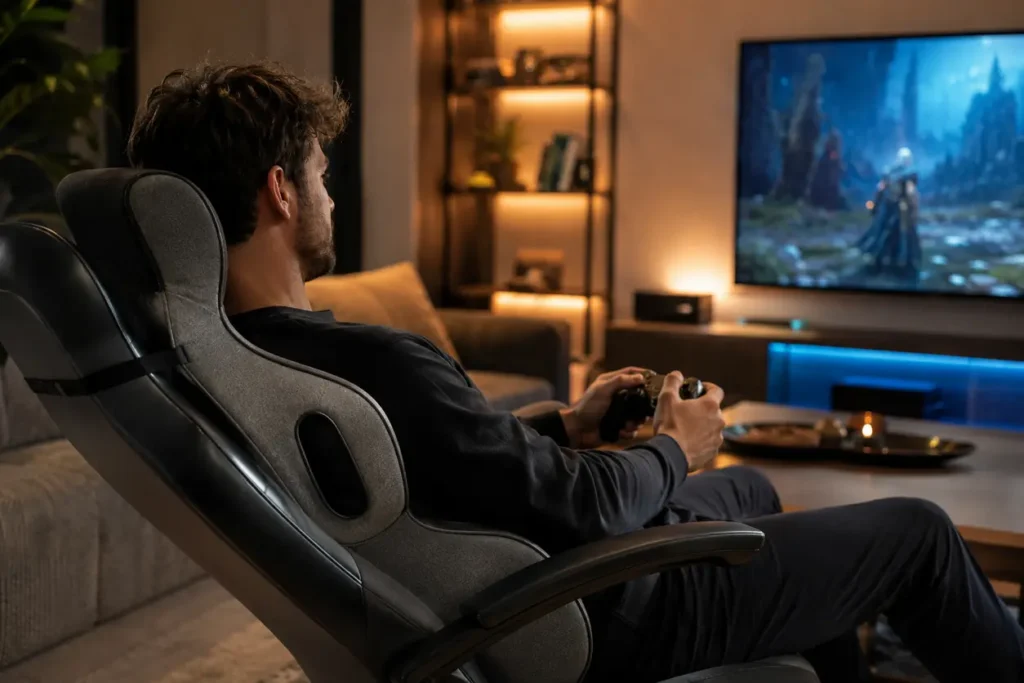
Clinical research and thousands of user reviews confirm: properly positioned lumbar and neck support pillows can reduce perceived discomfort, especially for longer sessions. But poorly sized, flimsy, or fixed pillows can make things worse, pushing your spine into unnatural curves or forcing your head forward. So, it’s not about having “a pillow”—it’s about having the right pillow in the right size and spot for your body and gaming chair.
Market snapshot (2024): demand, growth, and where buyers are
The gaming pillow sector is booming—but you won’t find a clear “gaming pillow” section in global market reports. These products are usually tracked under broader categories like “gaming chair accessories” or “lumbar support pillows.” Still, industry analysis puts the 2024 global market for gaming support pillow add-ons (aftermarket, not bundled) at USD 150–300 million, with aggressive growth—estimates suggest a 15–25% CAGR (Cognitive Market Research). Compare that to the overall pillow industry (over USD 15 billion annually, Business Research Insights)—gaming pillows are still a small segment, but one of the fastest-growing due to e-commerce and the rise of streaming culture.
Product innovation is fast: expect more memory foam gaming pillow launches with adaptive features and gamers demanding tech and durability on par with flagship chairs. Brands focus on strong DTC (direct to consumer) strategies via Amazon, AliExpress, and specialist stores, with most volume in North America, Europe, and quickly rising demand in Asia-Pacific (APAC).
Regional trends — where gamers are buying and why it matters
The gaming pillow scene is not equally hot everywhere. North America currently drives the biggest share of revenue—reflecting strong Twitch/YouTube density and higher willingness to spend. Europe holds about 30%, led by Germany and the UK, where ergonomic work culture spills into gaming. The fastest growth? APAC, especially China, Korea, and Japan, where gaming is a lifestyle. Smart pillow categories in APAC are growing over 30% CAGR (Grand View Research), and that trend is bleeding into gaming support pillows there too. Want to localize marketing or set expectations? Focus on breathable, hardwearing options in hot regions and emphasize adjustability for users with a bigger height/spine variation (common in diverse markets).
What separates premium gaming pillows from budget options (technical checklist)
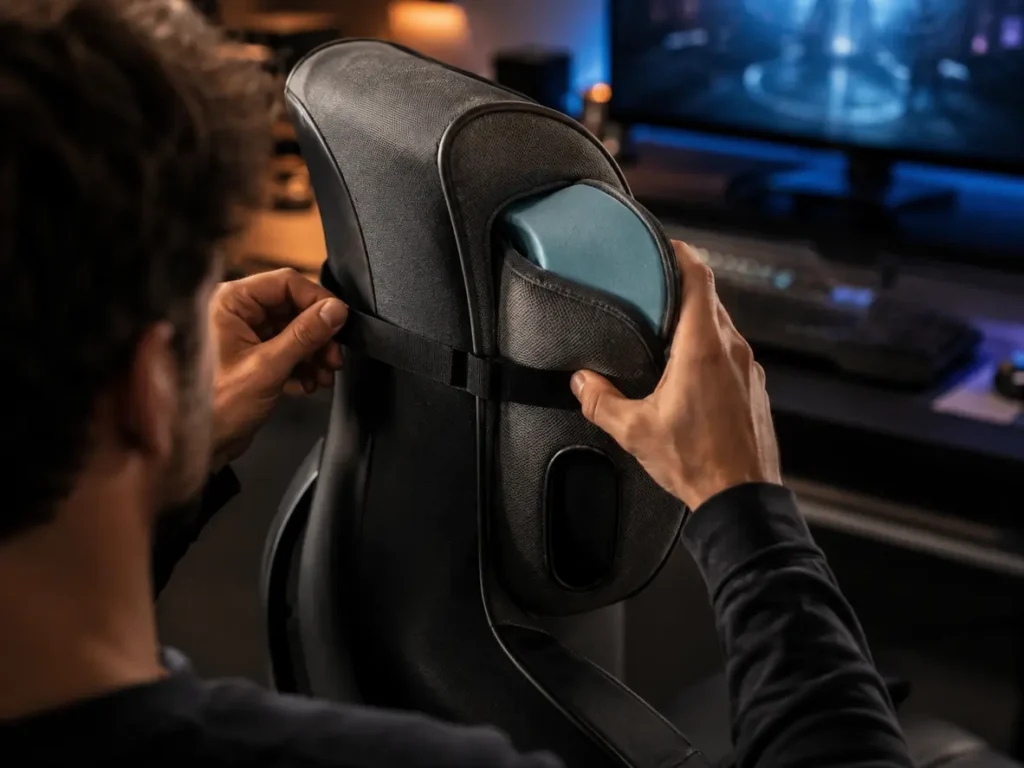
It’s obvious after a week of use: Memory foam gaming pillow products aren’t built alike. Premium pillows use high-density memory foam (3–5 lb/ft³), often layered with high-resilience polyfoam or gel infusions for shape retention and cooling. Budget picks go with low-density polyfoam (1.3–1.6 lb/ft³), which sags in months. Premium covers are breathable covers or technical blends—while cheap ones use basic polyester or PU “leather” that cracks with sweat. Details count: adjustable straps or magnetic mounts stop sliding, while premium pillows add machine-washable removable covers. Look for foam certifications (CertiPUR-US) and manufacturer warranties (1–3 years) to dodge excessive off-gassing and “pancake effect.”
When you weigh models side by side, also check attachment systems (some premium chairs now use magnets), and the contouring profile (does it match your lower back, or is it just a flat log?). For external comparison, ergonomic office pillows often rival or beat many gaming pillows in distributed support—especially in upright postures. See our guide to ergonomic gaming chairs for more on integrated lumbar designs.
How to choose the right pillow for your body and chair (unique sizing guidance competitors miss)
Most guides never tell you *how* to measure for the right fit. Here’s reality: if a lumbar or neck pillow lands in the wrong spot (too high for tall users, too low for short), it’s useless or worse. The best gaming pillow for chair is the one that lines up with your spine’s natural curves.
- Sit with back flat to your chair.
- Find the lower-most curve of your back—right above your hips (pelvic crest). Measure from the seat pan up to the deepest part of this curve (usually 5–10 inches for most users).
- Your lumbar gaming pillow should fill this gap—without pushing your back out or letting you slouch.
- If you’re using a neck pillow for gaming chair, measure from the seat to the nape of your neck (usually 19–25 inches).
- Choose thickness based on whether your chair already has a fixed lumbar bump, and size down if you have a shallow lumbar curve (common if you’re slim or have a straighter spine).
Many articles skip anthropometrics, but ergonomics research highlights that pillow effectiveness is directly tied to matching your unique measurements—not just buying what the chair bundles. For more on advanced setups, see suggestions in our mechanical keyboard gaming and gaming headset with surround sound guides.
Durability & long-term performance: what to expect after 6–12 months
Not all gaming support pillow products last a year or more—especially budget ones. The most common issue is “compression set”: cheap foam loses its spring and stays flat (the “pancake” complaint) well before the 6-month mark. Long-term resilience comes from higher foam density and smarter construction. Look for published warranties (1–3 years) and certifications like CertiPUR-US or OEKO-TEX for peace of mind. Rarely do review sites actually test longevity—the difference between a pillow that keeps its shape for a year and one that flattens in a month is huge. Premium memory foam gaming pillow options justify their cost by using dense, quality-tested foams and covers that don’t pill or break down after machine washing. This is a critical gap most review articles miss.
Common complaints — how to avoid these pitfalls when buying
Here’s what buyers most often hate, and how to dodge each trap:
- Wrong size/thickness: Too thick = back pain or wobbling; too thin = no support. Check your measurements (see above!) before buying.
- Strap failure/poor positioning: Non-adjustable or flimsy straps stretch out, causing the pillow to slide. Prefer adjustable, robust straps or magnetic mounts.
- Heat and sweating: Non-breathable covers hold moisture. Choose mesh, not solid microfiber or faux leather, especially in hot setups.
- Loss of firmness: Budget foam compresses quickly. Look for stated foam densities, user reviews after 6+ months, and warranties.
- Chemical off-gassing: Strong odor == cheap foam. Pick CertiPUR-US certified products to minimize VOCs and chemical smells.
- Too-small neck pillows or the wrong contact area: May cause more neck pain—especially if you use large over-ear headphones.
Tip: Check Amazon or gaming forum reviews for users who’ve owned the pillow 6+ months. If you see lots of “flattened after 2 months” or “strap broke,” skip to a higher-quality model.
| Feature | Budget Pillow | Premium Pillow |
|---|---|---|
| Foam Density | 1.3–1.6 lb/ft³ (low, sags quickly) | 3–5 lb/ft³ (holds shape for years) |
| Cover Type | Basic polyester/PU leather | Breathable mesh, high-grade PU, washable |
| Adjustability | Fixed or weak elastic strap | Adjustable straps or magnetic mount |
| Certification | None | CertiPUR-US, OEKO-TEX |
| Warranty | None or 30 days | 1–3 years |
Pricing guide — what to pay and what features justify higher cost
Most high-quality gaming pillow for chair products (lumbar or neck) in 2024 land in the USD 30–70 range if sold separately. Premium models (with branded tech, magnetic mounts, or advanced cooling foams) can hit USD 60–120. Budget picks go as low as USD 15, but typically flatten out, overheat, or develop odor fast. Pay up for: high-density foam, contoured ergonomic design, removable and washable covers, strong attachment, real cooling features, and at least a 1-year brand warranty. For multi-purpose setups (e.g., seat or coccyx cushions), expect to pay USD 30–70 as well.
Be wary of overpaying for just “gaming” branding—always check technical specs against those offered for office or orthopedic support pillows. See RGB gaming accessories for tips on buying premium accessories that deliver on performance, not hype.
Gaming pillow vs office ergonomic supports — which to pick for streaming/desk work
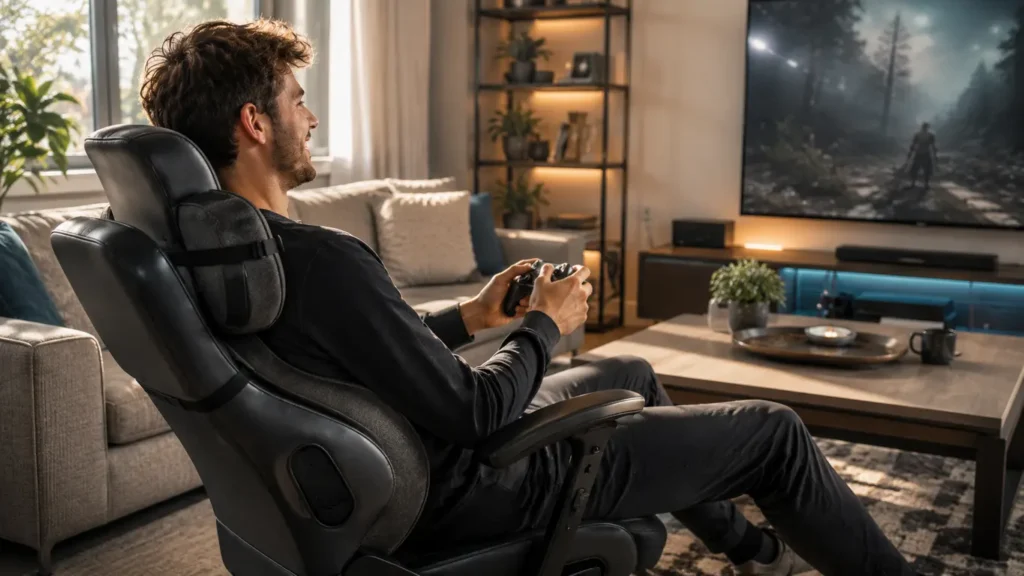
For high-intensity, reclined gaming setups on racing-style chairs, a well-designed gaming support pillow or gaming pillow for long sessions can match your chair’s contours and feel better than flat office solutions. But if you alternate between long work sessions or streaming at a desk (neutral 90°/100° posture), integrated or adjustable lumbar supports (as found in high-end office chairs) usually give more distributed, reliable support—especially for upright postures. Evidence from ergonomic studies suggests that, for neutral desk work, office lumbar supports often equal or outperform most aftermarket pillows on support and longevity.
Sometimes, your money is better spent on a new chair with integrated lumbar adjustment rather than another pillow—especially if your seat pan is flat or the backrest is poorly shaped. For more, see the deep dive in best ergonomic gaming chair 2026.
Quick buying checklist & troubleshooting (short action list)
Quick Checklist
- Measure your lumbar height (seat pan to lumbar curve) before buying.
- Target foam density of 3 lb/ft³ or higher for long-lasting support.
- Pick a breathable, washable cover—mesh or technical knit is ideal.
- Check attachment/adjustment: prefer robust strap or magnetic system matched to your chair’s shape.
- Ensure at least a 1-year warranty and easy return policy—for peace of mind.
Common fit problems and simple fixes:
- Pillow too high/low: Adjust strap or switch to a model with a longer/adjustable attachment.
- Too thick or thin: Remove/add shredded memory foam if the cover has a zip opening. Otherwise, size up/down for next pillow.
- Too hot: Swap to a breathable or mesh cover, or try a gel-infused foam model.
For a more complete ergonomic setup, pair your lumbar support with good monitor alignment and desk height (see our guides on monitor light bar gaming and ergonomic gaming mouse for related comfort tips).
Closing: when a pillow is enough — and when to upgrade your chair or setup
Bottom line: If your chair lacks targeted lumbar or neck support but has reasonable build quality, a gaming pillow is a smart, affordable fix—provided you match it to your measurements and focus on quality. But if your discomfort comes from a flat/unsupportive seat pan, mashed foam, or bad monitor/desk placement, a pillow is just a band-aid. In these cases, invest in a better gaming support pillow only if you’re sure your main ergonomic issues aren’t structural—sometimes it’s smarter to upgrade your chair or tweak your whole setup first. Want more environment optimization? Check out scorpion gaming setup and our picks for pre built gaming pc for fully futureproofed work/play stations.
Ready for fewer aches and longer, sharper gaming sessions? Run through the above checklist, pick a pillow that fits your back (not just your aesthetics), and upgrade your comfort—starting today.
FAQ Section
What’s the most important detail to check before buying a gaming pillow?
Always match the pillow’s height and thickness to your body and chair. Measure your lumbar height (seat to lower back curve) and choose a pillow that fills that space without pushing your spine out of alignment. Size matters more than brand or price.
How long do gaming support pillows actually last?
If you stick with high-density foam (3+ lb/ft³), expect a year or more of consistent support. Cheap foam models often flatten in just a few months, especially with daily long-session use.
Can you wash gaming pillows?
Most premium gaming pillows offer removable, machine-washable covers. Always check product instructions—washing foam itself is not recommended, but covers should withstand regular care to keep sweat and odor under control.
Are memory foam gaming pillows better than regular office lumbar supports?
For reclined gaming postures and racing-style chairs, memory foam gaming pillows can offer superior comfort. For upright desk work, office-oriented lumbar supports usually provide better distributed support and adjustability. Choose based on your main seating style.
Is a gaming pillow a good substitute for a new ergonomic chair?
Not if your main problem is a flat, worn-out seat or terrible backrest shape. Gaming pillows solve targeted support gaps but can’t fix structural seat flaws. Upgrade your chair if basic ergonomics are missing.
—